Customer loyalty doesn’t always have to be rational, and neither do you.
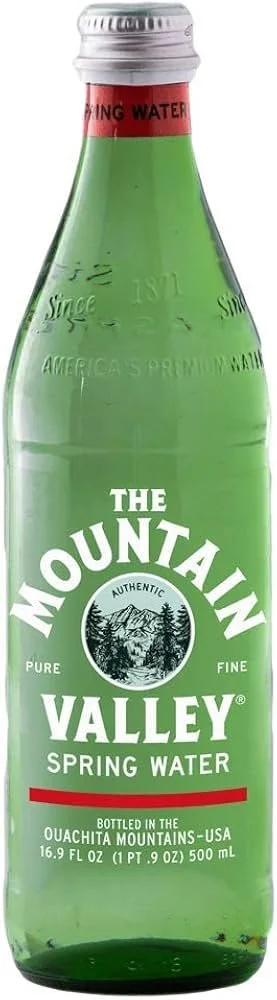
In wellness marketing. We talk a lot about brand loyalty as if it’s something abstract or strategic. But loyalty often shows up in the smallest choices. For me, that brand is Mountain Valley Water.
I drink their water almost exclusively, specifically from their glass bottles. Over time, friends and
family have questioned it. My dad begrudgingly reminds me,
“I’ve heard that glass bottles are no
better than plastic once you factor in transportation.
” Then, without missing a beat, I nod and
throw up a sarcastic thumbs up!
Logically, some of those arguments make sense. Emotionally, they don’t change my behavior at
all.
Loyalty vs Convenience in Wellness Choices
I could easily switch to cheaper bottled water, but loyalty isn’t about what’s easiest or cheapest.
It’s about what feels right.
In the wellness space, especially, consumers are not only buying products, but they’re also
buying reassurance. When a brand earns trust around something as fundamental as water, it becomes hard to replace.
What Wellness Marketers Can Learn From This
My loyalty to Mountain Valley did not come from discounts (spoiler alert: there are none). It
came from alignment. The brand fits into my daily routine and reinforces my identity as a
consumer who values quality.
For wellness marketers, this is the real takeaway. Loyalty comes to fruition when brands deliver
the same promise again and again and allow consumers to build meaning around the product.
Once that emotional connection is formed, even criticism from others is rarely enough to break
it.
Rationalizing (or therefore a lack of)
Customer loyalty isn’t always rational. And in wellness marketing, it doesn’t have to be. When
consumers trust a brand with something as personal as their health, hydration, or well-being,
loyalty becomes instinctive.