The feeling will speak for the product
Non visual and non auditory communication plays a powerful role in shaping consumer
perception in the wellness industry, particularly in trends such as Cadillac Pilates,
wearable technology, and light therapy. The strong sturdy leather on the cadillac
machine, the stainless steel body on the Apple Watch and the bright radiation of the red
light panel, What do these attributes have in common? They represent the sensation of
the product.
Sensory marketing research shows that touch, texture, and other physical sensations
influence emotional connection and purchasing decisions. In wellness, these elements
help brands communicate quality, comfort, and effectiveness without relying on
overdone advertising
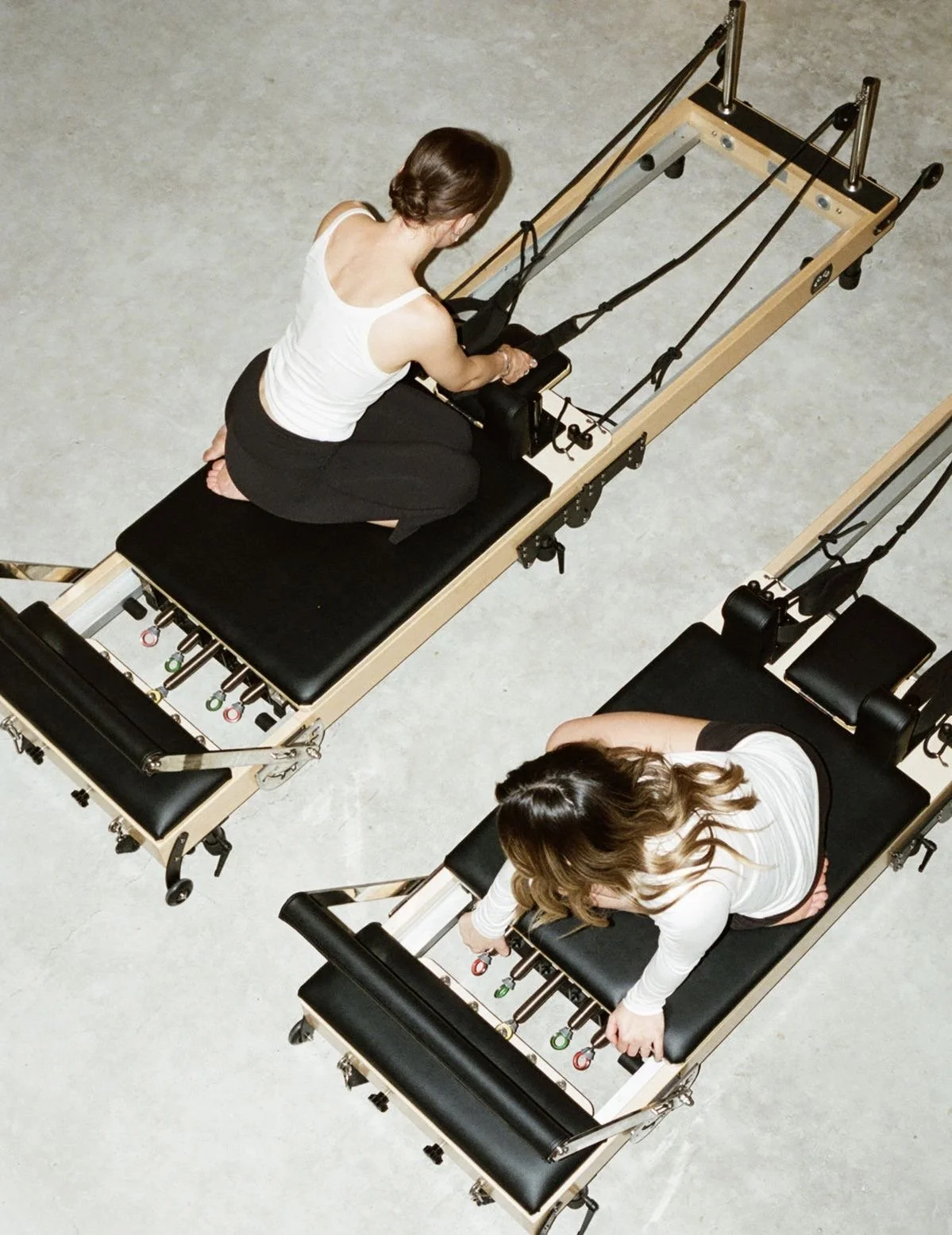
Curating an environment
For example, Pilates studios often use wooden floors, equipment with neutral colors,
and large windows for natural light to create a physical environment that signals
relaxation and safety. These tactile experiences reinforce the brand promise of mindful
movement and body awareness. Similarly, wearable wellness technology uses material
choice to influence trust and usability. Smooth metals, breathable fabrics, and
lightweight construction create comfort while signaling premium quality and reliability.
Light therapy spaces also rely heavily on non visual sensory communication. Warm
room temperatures, comfortable reclining surfaces, and calming spatial design create a
feeling of restoration and therapeutic value. These physical sensations help consumers
associate wellness services with emotional comfort and health.

Hey Siri play “More than a feeling” by the Eagles
Research shows that consumers form strong emotional memories through sensory
interaction. In the competitive wellness industry, brands that strategically incorporate
touch and physical experience create deeper brand loyalty, stronger perceived value,
and more meaningful consumer relationships beyond traditional front facing primary
visual and auditory marketing methods.